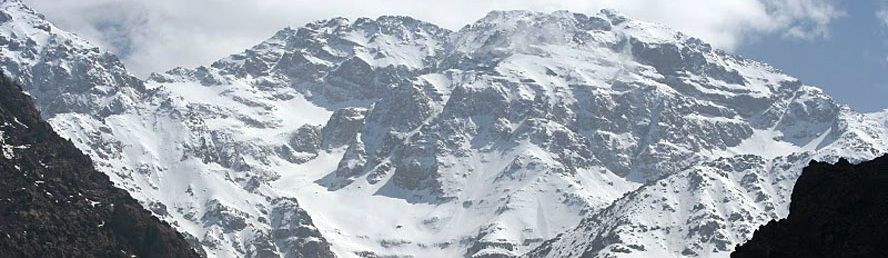
Mount Toubkal Express Ascent
Desafíate a ti mismo a escalar el pico más alto del norte de África en 2 o 3 días. La caminata comienza y termina en la vibrante ciudad de Marrakech e incluye transporte de ida y vuelta a Imlil. Camina con un guía local de habla inglesa, un cocinero local y mulas para llevar tu equipaje.
Es una caminata desafiante más que una escalada técnica, y cualquier persona en buena condición física puede llegar a la cima. Asegúrate de llevar tu cámara: las vistas desde la cima son espectaculares. El Monte Toubkal (4.167 m) es el pico más alto del norte de África y es un pico de senderismo que no implica escalada técnica. De noviembre a abril, el ascenso implica caminar con crampones y llevar un piolet por seguridad.
El itinerario está diseñado para caminantes entusiastas, ya que el ascenso no es técnico pero implica algunas trepadas fáciles y pendientes de nieve.
Esta caminata se realiza durante todo el año y puede salir en cualquier fecha de tu elección.
Normalmente tenemos varias caminatas que salen cada semana a las que puedes unirte si lo deseas, ¡así que ponte en contacto!
Esta caminata se puede reservar de forma independiente, incluyendo traslados desde Marrakech, o podemos crear un itinerario completo y un presupuesto combinando tu caminata con Marrakech, Essaouira, la Costa Atlántica y el Desierto del Sahara.
Recogida
Le recogeremos en su alojamiento en Marrakech o en un lugar cercano
Drop Off
Le dejaremos en el punto más cercano a su riad/hotel.
Itinerario y detalles de la ruta
Day 01
Marrakech to Imlil & Toubkal Refuge (3,206m) (Approx. 5 hours walking)
Drive south through the Haouz Plain and Asni into the Oued Rhirhaia Valley. Meet your guide in Imlil, trek past Aremd and the Sidi Chamarouch shrine, and zigzag up to the Toubkal Refuge for dinner and overnight rest.
Day 02
Summit of Jebel Toubkal (4,167m) & Return to Marrakech
Early morning push up the south cirque over boulders and scree to the summit plateau (4,167m) for panoramic views from the High Atlas to the Sahara, followed by the descent back to Imlil and transfer to Marrakech.
Equipment
Asegúrese de haber empacado todos los elementos esenciales de seguridad. Consulte la Lista de equipo aquí si no está seguro de qué llevar. Nuestros guías realizarán una revisión final del equipo en Imlil antes de comenzar el ascenso a las altitudes más altas del macizo del Toubkal.


What Is Included?
-
Expert, Berber, English-speaking mountain guides.
-
Mules and muleteers to carry your luggage.
-
Porters for luggage from snowline to the mountain huts ( Winter months)
-
Berber Cook.
-
All meals on the hike.
-
Accommodation in Toubkal Refuge.
-
Round-trip Transportation between the trek and your accommodation in Marrakech
-
Camping Material ( Tents & Mattress) for summer treks.
Lo que no está incluido
-
Travel insurance.
-
Soft/alcoholic drinks
-
Tips and personal expenses
Accommodation & Shelters
Accommodation will be in a dormitory at the mountain refuge.
Camping is also an option if preferred (June–October).
NB: If you require accommodation in the Atlas Mountains before or after your trek, we can arrange a stay at our Dar Adrar Guesthouse in Imlil or our Ouirgane Ecolodge in Ouirgane.


Clothing & Essential Equipment
Essential Equipment
Can Be Hired From Us
-
Good walking boots and socks / good trainers for valley treks
-
Personal First aid Kit
-
3 to 4 season sleeping bag ( winter) or light Sleeping bag ( Summer)
-
Crampons, Ice axes and Gaiters for Winter treks ( Nov to April )
-
Lightweight waterproof over-trousers / rain-pants
-
Water bottle or camelbak (recommended)
-
Soft-sided bag (50-80 litres)
-
Lightweight daypack
-
Sunglasses
-
Sunscreen
-
Torch and batteries
-
Towel & all personal toiletries
-
Crampons : 5 €/ Day/pair
-
Ice Axe : 3 €/day
-
Walking boots : 5 €/day
-
Sleeping bags : 2.5 €/day
-
Rain Jackets : 3 €/day
-
Walking Poles : 3 €/day/pair
-
Back packs : 3€/day
-
Stoves : 2€/day
What Is Appropriate Attire In Morocco?
Morocco is a conservative and religious country, which means you always need to be mindful of your clothing choices. This is especially true in the country’s more rural areas, which include the Sahara Desert and its surrounding villages. As a general rule of thumb, you should always attempt to cover body parts considered “private”. For women, this means covering the arms (or at least the shoulders) and the knees up. For men, it requires covering up the shoulders and above the knee.

High Energy Meals
Meals on the trek are cooked by the Berber cook. The food is fresh and healthy. Example meals:
Breakfast: Jam, bread, cookies, fruit, juice, butter, coffee, milkLunch: salad, tomatoes, carrots, lentils, beans, rice or pasta, fish (sardines, tuna), seasonal fruit
Dinner: Soup, classic Morooccan tajine, couscous, olives, nuts, fruit
Can my dietary requirements be catered to?
Absolutely. Just let us know about your catering preferences when you confirm your booking to ensure any dietary requirements are met. Please remind as well your guide and cook on first day of the trek.
Start Your Journey
Ready to explore the Atlas Mountains? Reach out to us for detailed trek inquiries, tailor-made itineraries, or any questions about our Berber-led adventure tours.
Email: aztat.trek@gmail.com
Phone: +212 668-760165
Location: Imlil, Morocco
Personal baggage, cooking equipment and food are carried by the mules, leaving you to carry only a rucksack with whatever you need close at hand for the day. NB: Left luggage or unnecessary luggage can be left safely in our storage in Imlil till you come back from the trek.